

Trigonophora flammea (Esper, [1785])
![Trigonophora flammea: Imago (e.l. rearing, Spain, Albacete, Pedro Andres, larvae found in early April 2025) [S]](bilder1/noctuidae/flammea_im2025.jpg "Trigonophora flammea: Imago (e.l. rearing, Spain, Albacete, Pedro Andres, larvae found in early April 2025) [S]")
![Trigonophora flammea: Imago (e.l. rearing, Spain, Albacete, Pedro Andres, larvae found in early April 2025) [S]](bilder1/noctuidae/flammea_2im2025.jpg "Trigonophora flammea: Imago (e.l. rearing, Spain, Albacete, Pedro Andres, larvae found in early April 2025) [S]")
![Trigonophora flammea: Imago (e.l. rearing, Spain, Albacete, Pedro Andres, larvae found in early April 2025) [S]](bilder1/noctuidae/flammea_3im2025.jpg "Trigonophora flammea: Imago (e.l. rearing, Spain, Albacete, Pedro Andres, larvae found in early April 2025) [S]")
![Trigonophora flammea: Imago (e.l. rearing, Spain, Albacete, Pedro Andres, larvae found in early April 2025) [S]](bilder1/noctuidae/flammea_4im2025.jpg "Trigonophora flammea: Imago (e.l. rearing, Spain, Albacete, Pedro Andres, larvae found in early April 2025) [S]")
![Trigonophora flammea: Imago (e.l. rearing, Spain, Albacete, Pedro Andres, larvae found in early April 2025) [S]](bilder1/noctuidae/flammea_5im2025.jpg "Trigonophora flammea: Imago (e.l. rearing, Spain, Albacete, Pedro Andres, larvae found in early April 2025) [S]")
![Trigonophora flammea: Imago (e.l. rearing, Spain, Albacete, Pedro Andres, larvae found in early April 2025) [S]](bilder1/noctuidae/flammea_6im2025.jpg "Trigonophora flammea: Imago (e.l. rearing, Spain, Albacete, Pedro Andres, larvae found in early April 2025) [S]")
![Trigonophora flammea: Imago (e.l. rearing, Spain, Albacete, Pedro Andres, larvae found in early April 2025) [S]](bilder1/noctuidae/flammea_7im2025.jpg "Trigonophora flammea: Imago (e.l. rearing, Spain, Albacete, Pedro Andres, larvae found in early April 2025) [S]")
![Trigonophora flammea: Imago (e.l. rearing, Spain, Albacete, Pedro Andres, larvae found in early April 2025) [S]](bilder1/noctuidae/flammea_8im2025.jpg "Trigonophora flammea: Imago (e.l. rearing, Spain, Albacete, Pedro Andres, larvae found in early April 2025) [S]")
![Trigonophora flammea: Imago (e.l. rearing, Spain, Albacete, Pedro Andres, larvae found in early April 2025) [S]](bilder1/noctuidae/flammea_9im2025.jpg "Trigonophora flammea: Imago (e.l. rearing, Spain, Albacete, Pedro Andres, larvae found in early April 2025) [S]")
![Trigonophora flammea: Imago (e.l. rearing, Spain, Albacete, Pedro Andres, larvae found in early April 2025) [S]](bilder1/noctuidae/flammea_10im2025.jpg "Trigonophora flammea: Imago (e.l. rearing, Spain, Albacete, Pedro Andres, larvae found in early April 2025) [S]")
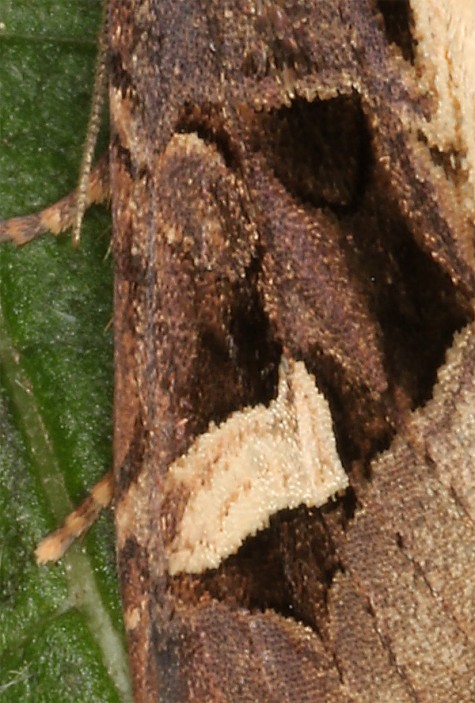
![Trigonophora flammea: Imago (e.l. rearing, Spain, Albacete, Pedro Andres, larvae found in early April 2025) [S]](bilder1/noctuidae/flammea_12im2025.jpg "Trigonophora flammea: Imago (e.l. rearing, Spain, Albacete, Pedro Andres, larvae found in early April 2025) [S]")
![Trigonophora flammea: Imago (e.l. rearing, Spain, Albacete, Pedro Andres, larvae found in early April 2025) [S]](bilder1/noctuidae/flammea_13im2025.jpg "Trigonophora flammea: Imago (e.l. rearing, Spain, Albacete, Pedro Andres, larvae found in early April 2025) [S]")
![Trigonophora flammea: Imago (e.l. rearing, Spain, Albacete, Pedro Andres, larvae found in early April 2025) [S]](bilder1/noctuidae/flammea_14im2025.jpg "Trigonophora flammea: Imago (e.l. rearing, Spain, Albacete, Pedro Andres, larvae found in early April 2025) [S]")
![Trigonophora flammea: Imago (e.l. rearing, Spain, Albacete, Pedro Andres, larvae found in early April 2025) [S]](bilder1/noctuidae/flammea_15im2025.jpg "Trigonophora flammea: Imago (e.l. rearing, Spain, Albacete, Pedro Andres, larvae found in early April 2025) [S]")
![Trigonophora flammea: Imago (e.l. rearing, Spain, Albacete, Pedro Andres, larvae found in early April 2025) [S]](bilder1/noctuidae/flammea_16im2025.jpg "Trigonophora flammea: Imago (e.l. rearing, Spain, Albacete, Pedro Andres, larvae found in early April 2025) [S]")
![Trigonophora flammea: Imago (e.l. rearing, Spain, Albacete, Pedro Andres, larvae found in early April 2025) [S]](bilder1/noctuidae/flammea_17im2025.jpg "Trigonophora flammea: Imago (e.l. rearing, Spain, Albacete, Pedro Andres, larvae found in early April 2025) [S]")
![Trigonophora flammea: Imago (e.l. rearing, Spain, Albacete, Pedro Andres, larvae found in early April 2025) [S]](bilder1/noctuidae/flammea_18im2025.jpg "Trigonophora flammea: Imago (e.l. rearing, Spain, Albacete, Pedro Andres, larvae found in early April 2025) [S]")
![Trigonophora flammea: Imago (e.l. rearing, Spain, Albacete, Pedro Andres, larvae found in early April 2025) [S]](bilder1/noctuidae/flammea_19im2025.jpg "Trigonophora flammea: Imago (e.l. rearing, Spain, Albacete, Pedro Andres, larvae found in early April 2025) [S]")
![Trigonophora flammea: Imago (e.l. rearing, Spain, Albacete, Pedro Andres, larvae found in early April 2025) [S]](bilder1/noctuidae/flammea_20im2025.jpg "Trigonophora flammea: Imago (e.l. rearing, Spain, Albacete, Pedro Andres, larvae found in early April 2025) [S]")
![Trigonophora flammea: Imago (e.l. rearing, Spain, Albacete, Pedro Andres, larvae found in early April 2025) [S]](bilder1/noctuidae/flammea_21im2025.jpg "Trigonophora flammea: Imago (e.l. rearing, Spain, Albacete, Pedro Andres, larvae found in early April 2025) [S]")
![Trigonophora flammea: Imago (e.l. rearing, Spain, Albacete, Pedro Andres, larvae found in early April 2025) [S]](bilder1/noctuidae/flammea_22im2025.jpg "Trigonophora flammea: Imago (e.l. rearing, Spain, Albacete, Pedro Andres, larvae found in early April 2025) [S]")
![Trigonophora flammea: Imago (e.l. rearing, Spain, Albacete, Pedro Andres, larvae found in early April 2025) [S]](bilder1/noctuidae/flammea_23im2025.jpg "Trigonophora flammea: Imago (e.l. rearing, Spain, Albacete, Pedro Andres, larvae found in early April 2025) [S]")
![Trigonophora flammea: Imago (e.l. rearing, Spain, Albacete, Pedro Andres, larvae found in early April 2025) [S]](bilder1/noctuidae/flammea_24im2025.jpg "Trigonophora flammea: Imago (e.l. rearing, Spain, Albacete, Pedro Andres, larvae found in early April 2025) [S]")
![Trigonophora flammea: Imago (e.l. rearing, Spain, Albacete, Pedro Andres, larvae found in early April 2025) [S]](bilder1/noctuidae/flammea_25im2025.jpg "Trigonophora flammea: Imago (e.l. rearing, Spain, Albacete, Pedro Andres, larvae found in early April 2025) [S]")
![Trigonophora flammea: Imago (e.l. rearing, Spain, Albacete, Pedro Andres, larvae found in early April 2025) [S]](bilder1/noctuidae/flammea_26im2025.jpg "Trigonophora flammea: Imago (e.l. rearing, Spain, Albacete, Pedro Andres, larvae found in early April 2025) [S]")
![Trigonophora flammea: Imago (e.l. rearing, Spain, Albacete, Pedro Andres, larvae found in early April 2025) [S]](bilder1/noctuidae/flammea_27im2025.jpg "Trigonophora flammea: Imago (e.l. rearing, Spain, Albacete, Pedro Andres, larvae found in early April 2025) [S]")
![Trigonophora flammea: Young larva (Spain, Teruel, Noguera, late March 2025) [M]](bilder1/noctuidae/flammea_50rpe2025.jpg "Trigonophora flammea: Young larva (Spain, Teruel, Noguera, late March 2025) [M]")
![Trigonophora flammea: Young larva (Spain, Albacete, Pedro Andres, early April 2025) [M]](bilder1/noctuidae/flammea_rpe2025.jpg "Trigonophora flammea: Young larva (Spain, Albacete, Pedro Andres, early April 2025) [M]")
![Trigonophora flammea: Young larva (Spain, Albacete, Pedro Andres, early April 2025) [M]](bilder1/noctuidae/flammea_2rpe2025.jpg "Trigonophora flammea: Young larva (Spain, Albacete, Pedro Andres, early April 2025) [M]")
![Trigonophora flammea: Young larva (Spain, Albacete, Pedro Andres, early April 2025) [M]](bilder1/noctuidae/flammea_3rpe2025.jpg "Trigonophora flammea: Young larva (Spain, Albacete, Pedro Andres, early April 2025) [M]")
![Trigonophora flammea: Young larva (Spain, Albacete, Pedro Andres, early April 2025) [M]](bilder1/noctuidae/flammea_4rpe2025.jpg "Trigonophora flammea: Young larva (Spain, Albacete, Pedro Andres, early April 2025) [M]")
![Trigonophora flammea: Young larva (Spain, Albacete, Pedro Andres, early April 2025) [M]](bilder1/noctuidae/flammea_5rpe2025.jpg "Trigonophora flammea: Young larva (Spain, Albacete, Pedro Andres, early April 2025) [M]")
![Trigonophora flammea: Young larva (Spain, Albacete, Pedro Andres, early April 2025) [M]](bilder1/noctuidae/flammea_6rpe2025.jpg "Trigonophora flammea: Young larva (Spain, Albacete, Pedro Andres, early April 2025) [M]")
![Trigonophora flammea: Young larva (Spain, Albacete, Pedro Andres, early April 2025) [M]](bilder1/noctuidae/flammea_7rpe2025.jpg "Trigonophora flammea: Young larva (Spain, Albacete, Pedro Andres, early April 2025) [M]")
![Trigonophora flammea: Half-grown larva (e.l. rearing, Spain, Albacete, Pedro Andres, larvae found in early April 2025) [S]](bilder1/noctuidae/flammea_8rpe2025.jpg "Trigonophora flammea: Half-grown larva (e.l. rearing, Spain, Albacete, Pedro Andres, larvae found in early April 2025) [S]")
![Trigonophora flammea: Half-grown larva (e.l. rearing, Spain, Albacete, Pedro Andres, larvae found in early April 2025) [S]](bilder1/noctuidae/flammea_9rpe2025.jpg "Trigonophora flammea: Half-grown larva (e.l. rearing, Spain, Albacete, Pedro Andres, larvae found in early April 2025) [S]")
![Trigonophora flammea: Half-grown larva (e.l. rearing, Spain, Albacete, Pedro Andres, larvae found in early April 2025) [S]](bilder1/noctuidae/flammea_10rpe2025.jpg "Trigonophora flammea: Half-grown larva (e.l. rearing, Spain, Albacete, Pedro Andres, larvae found in early April 2025) [S]")
![Trigonophora flammea: Half-grown larva (e.l. rearing, Spain, Albacete, Pedro Andres, larvae found in early April 2025) [S]](bilder1/noctuidae/flammea_11rpe2025.jpg "Trigonophora flammea: Half-grown larva (e.l. rearing, Spain, Albacete, Pedro Andres, larvae found in early April 2025) [S]")
![Trigonophora flammea: Half-grown larva (e.l. rearing, Spain, Albacete, Pedro Andres, larvae found in early April 2025) [S]](bilder1/noctuidae/flammea_12rpe2025.jpg "Trigonophora flammea: Half-grown larva (e.l. rearing, Spain, Albacete, Pedro Andres, larvae found in early April 2025) [S]")
![Trigonophora flammea: Half-grown larva (e.l. rearing, Spain, Albacete, Pedro Andres, larvae found in early April 2025) [S]](bilder1/noctuidae/flammea_13rpe2025.jpg "Trigonophora flammea: Half-grown larva (e.l. rearing, Spain, Albacete, Pedro Andres, larvae found in early April 2025) [S]")
![Trigonophora flammea: Half-grown larva (e.l. rearing, Spain, Albacete, Pedro Andres, larvae found in early April 2025) [S]](bilder1/noctuidae/flammea_14rpe2025.jpg "Trigonophora flammea: Half-grown larva (e.l. rearing, Spain, Albacete, Pedro Andres, larvae found in early April 2025) [S]")
![Trigonophora flammea: Half-grown larva (e.l. rearing, Spain, Albacete, Pedro Andres, larvae found in early April 2025) [S]](bilder1/noctuidae/flammea_15rpe2025.jpg "Trigonophora flammea: Half-grown larva (e.l. rearing, Spain, Albacete, Pedro Andres, larvae found in early April 2025) [S]")
![Trigonophora flammea: Half-grown larva (e.l. rearing, Spain, Albacete, Pedro Andres, larvae found in early April 2025) [S]](bilder1/noctuidae/flammea_16rpe2025.jpg "Trigonophora flammea: Half-grown larva (e.l. rearing, Spain, Albacete, Pedro Andres, larvae found in early April 2025) [S]")
![Trigonophora flammea: Half-grown larva (e.l. rearing, Spain, Albacete, Pedro Andres, larvae found in early April 2025) [S]](bilder1/noctuidae/flammea_17rpe2025.jpg "Trigonophora flammea: Half-grown larva (e.l. rearing, Spain, Albacete, Pedro Andres, larvae found in early April 2025) [S]")
![Trigonophora flammea: Half-grown larva (e.l. rearing, Spain, Albacete, Pedro Andres, larvae found in early April 2025) [S]](bilder1/noctuidae/flammea_18rpe2025.jpg "Trigonophora flammea: Half-grown larva (e.l. rearing, Spain, Albacete, Pedro Andres, larvae found in early April 2025) [S]")
![Trigonophora flammea: Half-grown. parasitized larva (e.l. rearing, Spain, Albacete, Pedro Andres, larvae found in early April 2025) [S]](bilder1/noctuidae/flammea_19rpe2025.jpg "Trigonophora flammea: Half-grown. parasitized larva (e.l. rearing, Spain, Albacete, Pedro Andres, larvae found in early April 2025) [S]")
![Trigonophora flammea: Half-grown larva (e.l. rearing, Spain, Albacete, Pedro Andres, larvae found in early April 2025) [S]](bilder1/noctuidae/flammea_20rpe2025.jpg "Trigonophora flammea: Half-grown larva (e.l. rearing, Spain, Albacete, Pedro Andres, larvae found in early April 2025) [S]")
![Trigonophora flammea: Half-grown larva (e.l. rearing, Spain, Albacete, Pedro Andres, larvae found in early April 2025) [S]](bilder1/noctuidae/flammea_21rpe2025.jpg "Trigonophora flammea: Half-grown larva (e.l. rearing, Spain, Albacete, Pedro Andres, larvae found in early April 2025) [S]")
![Trigonophora flammea: Larva in the penultimate instar (e.l. rearing, Spain, Albacete, Pedro Andres, larvae found in early April 2025) [S]](bilder1/noctuidae/flammea_22rpe2025.jpg "Trigonophora flammea: Larva in the penultimate instar (e.l. rearing, Spain, Albacete, Pedro Andres, larvae found in early April 2025) [S]")
![Trigonophora flammea: Larva in the penultimate instar (e.l. rearing, Spain, Albacete, Pedro Andres, larvae found in early April 2025) [S]](bilder1/noctuidae/flammea_23rpe2025.jpg "Trigonophora flammea: Larva in the penultimate instar (e.l. rearing, Spain, Albacete, Pedro Andres, larvae found in early April 2025) [S]")
![Trigonophora flammea: Larva in the penultimate instar (e.l. rearing, Spain, Albacete, Pedro Andres, larvae found in early April 2025) [S]](bilder1/noctuidae/flammea_24rpe2025.jpg "Trigonophora flammea: Larva in the penultimate instar (e.l. rearing, Spain, Albacete, Pedro Andres, larvae found in early April 2025) [S]")
![Trigonophora flammea: Larva in the penultimate instar (e.l. rearing, Spain, Albacete, Pedro Andres, larvae found in early April 2025) [S]](bilder1/noctuidae/flammea_25rpe2025.jpg "Trigonophora flammea: Larva in the penultimate instar (e.l. rearing, Spain, Albacete, Pedro Andres, larvae found in early April 2025) [S]")
![Trigonophora flammea: Larva in the penultimate instar (e.l. rearing, Spain, Albacete, Pedro Andres, larvae found in early April 2025) [S]](bilder1/noctuidae/flammea_26rpe2025.jpg "Trigonophora flammea: Larva in the penultimate instar (e.l. rearing, Spain, Albacete, Pedro Andres, larvae found in early April 2025) [S]")
![Trigonophora flammea: Larva in the penultimate instar (e.l. rearing, Spain, Albacete, Pedro Andres, larvae found in early April 2025) [S]](bilder1/noctuidae/flammea_27rpe2025.jpg "Trigonophora flammea: Larva in the penultimate instar (e.l. rearing, Spain, Albacete, Pedro Andres, larvae found in early April 2025) [S]")
![Trigonophora flammea: Larva in the penultimate instar (e.l. rearing, Spain, Albacete, Pedro Andres, larvae found in early April 2025) [S]](bilder1/noctuidae/flammea_28rpe2025.jpg "Trigonophora flammea: Larva in the penultimate instar (e.l. rearing, Spain, Albacete, Pedro Andres, larvae found in early April 2025) [S]")
![Trigonophora flammea: Larva (e.l. rearing, Spain, Albacete, Pedro Andres, larvae found in early April 2025) [S]](bilder1/noctuidae/flammea_41rpe2025.jpg "Trigonophora flammea: Larva (e.l. rearing, Spain, Albacete, Pedro Andres, larvae found in early April 2025) [S]")
![Trigonophora flammea: Larva (e.l. rearing, Spain, Albacete, Pedro Andres, larvae found in early April 2025) [S]](bilder1/noctuidae/flammea_29rpe2025.jpg "Trigonophora flammea: Larva (e.l. rearing, Spain, Albacete, Pedro Andres, larvae found in early April 2025) [S]")
![Trigonophora flammea: Larva (e.l. rearing, Spain, Albacete, Pedro Andres, larvae found in early April 2025) [S]](bilder1/noctuidae/flammea_30rpe2025.jpg "Trigonophora flammea: Larva (e.l. rearing, Spain, Albacete, Pedro Andres, larvae found in early April 2025) [S]")
![Trigonophora flammea: Larva (e.l. rearing, Spain, Albacete, Pedro Andres, larvae found in early April 2025) [S]](bilder1/noctuidae/flammea_31rpe2025.jpg "Trigonophora flammea: Larva (e.l. rearing, Spain, Albacete, Pedro Andres, larvae found in early April 2025) [S]")
![Trigonophora flammea: Larva (e.l. rearing, Spain, Albacete, Pedro Andres, larvae found in early April 2025) [S]](bilder1/noctuidae/flammea_32rpe2025.jpg "Trigonophora flammea: Larva (e.l. rearing, Spain, Albacete, Pedro Andres, larvae found in early April 2025) [S]")
![Trigonophora flammea: Larva (e.l. rearing, Spain, Albacete, Pedro Andres, larvae found in early April 2025) [S]](bilder1/noctuidae/flammea_33rpe2025.jpg "Trigonophora flammea: Larva (e.l. rearing, Spain, Albacete, Pedro Andres, larvae found in early April 2025) [S]")
![Trigonophora flammea: Larva (e.l. rearing, Spain, Albacete, Pedro Andres, larvae found in early April 2025) [S]](bilder1/noctuidae/flammea_34rpe2025.jpg "Trigonophora flammea: Larva (e.l. rearing, Spain, Albacete, Pedro Andres, larvae found in early April 2025) [S]")
![Trigonophora flammea: Larva (e.l. rearing, Spain, Albacete, Pedro Andres, larvae found in early April 2025) [S]](bilder1/noctuidae/flammea_35rpe2025.jpg "Trigonophora flammea: Larva (e.l. rearing, Spain, Albacete, Pedro Andres, larvae found in early April 2025) [S]")
![Trigonophora flammea: Larva (e.l. rearing, Spain, Albacete, Pedro Andres, larvae found in early April 2025) [S]](bilder1/noctuidae/flammea_36rpe2025.jpg "Trigonophora flammea: Larva (e.l. rearing, Spain, Albacete, Pedro Andres, larvae found in early April 2025) [S]")
![Trigonophora flammea: Larva (e.l. rearing, Spain, Albacete, Pedro Andres, larvae found in early April 2025) [S]](bilder1/noctuidae/flammea_37rpe2025.jpg "Trigonophora flammea: Larva (e.l. rearing, Spain, Albacete, Pedro Andres, larvae found in early April 2025) [S]")
![Trigonophora flammea: Larva (e.l. rearing, Spain, Albacete, Pedro Andres, larvae found in early April 2025) [S]](bilder1/noctuidae/flammea_38rpe2025.jpg "Trigonophora flammea: Larva (e.l. rearing, Spain, Albacete, Pedro Andres, larvae found in early April 2025) [S]")
![Trigonophora flammea: Larva (e.l. rearing, Spain, Albacete, Pedro Andres, larvae found in early April 2025) [S]](bilder1/noctuidae/flammea_39rpe2025.jpg "Trigonophora flammea: Larva (e.l. rearing, Spain, Albacete, Pedro Andres, larvae found in early April 2025) [S]")
![Trigonophora flammea: Larva (e.l. rearing, Spain, Albacete, Pedro Andres, larvae found in early April 2025) [S]](bilder1/noctuidae/flammea_40rpe2025.jpg "Trigonophora flammea: Larva (e.l. rearing, Spain, Albacete, Pedro Andres, larvae found in early April 2025) [S]")
![Trigonophora flammea: Larva (e.l. rearing, Spain, Albacete, Pedro Andres, larvae found in early April 2025) [S]](bilder1/noctuidae/flammea_42rpe2025.jpg "Trigonophora flammea: Larva (e.l. rearing, Spain, Albacete, Pedro Andres, larvae found in early April 2025) [S]")
![Trigonophora flammea: Larva (e.l. rearing, Spain, Albacete, Pedro Andres, larvae found in early April 2025) [S]](bilder1/noctuidae/flammea_43rpe2025.jpg "Trigonophora flammea: Larva (e.l. rearing, Spain, Albacete, Pedro Andres, larvae found in early April 2025) [S]")
![Trigonophora flammea: Larva (e.l. rearing, Spain, Albacete, Pedro Andres, larvae found in early April 2025) [S]](bilder1/noctuidae/flammea_44rpe2025.jpg "Trigonophora flammea: Larva (e.l. rearing, Spain, Albacete, Pedro Andres, larvae found in early April 2025) [S]")
![Trigonophora flammea: Larva (e.l. rearing, Spain, Albacete, Pedro Andres, larvae found in early April 2025) [S]](bilder1/noctuidae/flammea_45rpe2025.jpg "Trigonophora flammea: Larva (e.l. rearing, Spain, Albacete, Pedro Andres, larvae found in early April 2025) [S]")
![Trigonophora flammea: Larva (e.l. rearing, Spain, Albacete, Pedro Andres, larvae found in early April 2025) [S]](bilder1/noctuidae/flammea_46rpe2025.jpg "Trigonophora flammea: Larva (e.l. rearing, Spain, Albacete, Pedro Andres, larvae found in early April 2025) [S]")
![Trigonophora flammea: Larva (e.l. rearing, Spain, Albacete, Pedro Andres, larvae found in early April 2025) [S]](bilder1/noctuidae/flammea_47rpe2025.jpg "Trigonophora flammea: Larva (e.l. rearing, Spain, Albacete, Pedro Andres, larvae found in early April 2025) [S]")
![Trigonophora flammea: Larva (e.l. rearing, Spain, Albacete, Pedro Andres, larvae found in early April 2025) [S]](bilder1/noctuidae/flammea_48rpe2025.jpg "Trigonophora flammea: Larva (e.l. rearing, Spain, Albacete, Pedro Andres, larvae found in early April 2025) [S]")
![Trigonophora flammea: Cocoon (e.l. rearing, Spain, Albacete, Pedro Andres, larvae found in early April 2025) [S]](bilder1/noctuidae/flammea_ppe2025.jpg "Trigonophora flammea: Cocoon (e.l. rearing, Spain, Albacete, Pedro Andres, larvae found in early April 2025) [S]")
![Trigonophora flammea: Pupa (e.l. rearing, Spain, Albacete, Pedro Andres, larvae found in early April 2025) [S]](bilder1/noctuidae/flammea_2ppe2025.jpg "Trigonophora flammea: Pupa (e.l. rearing, Spain, Albacete, Pedro Andres, larvae found in early April 2025) [S]")
![Trigonophora flammea: Pupa (e.l. rearing, Spain, Albacete, Pedro Andres, larvae found in early April 2025) [S]](bilder1/noctuidae/flammea_3ppe2025.jpg "Trigonophora flammea: Pupa (e.l. rearing, Spain, Albacete, Pedro Andres, larvae found in early April 2025) [S]")
![Trigonophora flammea: Pupa (e.l. rearing, Spain, Albacete, Pedro Andres, larvae found in early April 2025) [S]](bilder1/noctuidae/flammea_4ppe2025.jpg "Trigonophora flammea: Pupa (e.l. rearing, Spain, Albacete, Pedro Andres, larvae found in early April 2025) [S]")
![Trigonophora flammea: Pupa (e.l. rearing, Spain, Albacete, Pedro Andres, larvae found in early April 2025) [S]](bilder1/noctuidae/flammea_5ppe2025.jpg "Trigonophora flammea: Pupa (e.l. rearing, Spain, Albacete, Pedro Andres, larvae found in early April 2025) [S]")
![Trigonophora flammea: Pupa with starting wing colouration (e.l. rearing, Spain, Albacete, Pedro Andres, larvae found in early April 2025) [S]](bilder1/noctuidae/flammea_6ppe2025.jpg "Trigonophora flammea: Pupa with starting wing colouration (e.l. rearing, Spain, Albacete, Pedro Andres, larvae found in early April 2025) [S]")
![Trigonophora flammea: Habitat with Rubus stands (Spain, Albacete, Pedro Andres, early April 2025) [N]](bilder1/noctuidae/flammea_2h2025.jpg "Trigonophora flammea: Habitat with Rubus stands (Spain, Albacete, Pedro Andres, early April 2025) [N]")
![Trigonophora flammea: Habitat with Rubus stands (Spain, Albacete, Pedro Andres, early April 2025) [N]](bilder1/noctuidae/flammea_h2025.jpg "Trigonophora flammea: Habitat with Rubus stands (Spain, Albacete, Pedro Andres, early April 2025) [N]")
![Trigonophora flammea: Habitat with Rubus stands (Spain, Albacete, Pedro Andres, early April 2025) [N]](bilder1/noctuidae/flammea_3h2025.jpg "Trigonophora flammea: Habitat with Rubus stands (Spain, Albacete, Pedro Andres, early April 2025) [N]")
![Trigonophora flammea: Habitat with Rubus stands (Spain, Albacete, Pedro Andres, early April 2025) [N]](bilder1/noctuidae/flammea_4h2025.jpg "Trigonophora flammea: Habitat with Rubus stands (Spain, Albacete, Pedro Andres, early April 2025) [N]")
![Trigonophora flammea: Habitat with Rubus stands (Spain, Albacete, Pedro Andres, early April 2025) [N]](bilder1/noctuidae/flammea_5h2025.jpg "Trigonophora flammea: Habitat with Rubus stands (Spain, Albacete, Pedro Andres, early April 2025) [N]")
![Trigonophora flammea: Habitat with Rubus stands (Spain, Albacete, Pedro Andres, early April 2025) [N]](bilder1/noctuidae/flammea_6h2025.jpg "Trigonophora flammea: Habitat with Rubus stands (Spain, Albacete, Pedro Andres, early April 2025) [N]")
![Trigonophora flammea: Habitat with Rubus stands (Spain, Albacete, Pedro Andres, early April 2025) [N]](bilder1/noctuidae/flammea_7h2025.jpg "Trigonophora flammea: Habitat with Rubus stands (Spain, Albacete, Pedro Andres, early April 2025) [N]")
![Trigonophora flammea: Habitat with Rubus stands (Spain, Albacete, Pedro Andres, early April 2025) [N]](bilder1/noctuidae/flammea_8h2025.jpg "Trigonophora flammea: Habitat with Rubus stands (Spain, Albacete, Pedro Andres, early April 2025) [N]")
![Trigonophora flammea: Habitat with Rubus stands (Spain, Albacete, Pedro Andres, early April 2025) [N]](bilder1/noctuidae/flammea_9h2025.jpg "Trigonophora flammea: Habitat with Rubus stands (Spain, Albacete, Pedro Andres, early April 2025) [N]")
![Trigonophora flammea: Habitat with Rubus stands (Spain, Albacete, Pedro Andres, early April 2025) [N]](bilder1/noctuidae/flammea_10h2025.jpg "Trigonophora flammea: Habitat with Rubus stands (Spain, Albacete, Pedro Andres, early April 2025) [N]")
Host plants:
The larvae are polyphagous on herbs and shrubs. The species shhows, however, a certain affinity to Rubus fruticosus agg. from which thickets the larva has been beaten regularly in southern Spain (Albacete). This should be linked to the green hibernating leaves which offer convenient food for the early hatching larvae.
Habitat:
Trigonophora flammea usually inhabits warm and dry to mesophile, grove-rich, open to semi-open grasslands, pastures, woodland margins and similar sites with or without Rubus. The larvae are found in the herb layer around bushes or in Rubus stands.
Life cycle:
The moths occur in autumn between September and November. The larvae develop from late winter until May. They are always green when young, vary from green to brownish when half-grown and are always brown in the final instar. The larvae of the related T. jodea are always brown even when young. The pupa rests in a dense cocoon in the soil until early autumn.
Remarks:
Trigonophora flammea is an expansive Atlanto-Mediterranean element with distribution from northwestern Africa across western (up to southernmost England) and southern Europe (to the southeast to northwesternmost Greece).
Trigonophora haasi | Trigonophora jodea
